

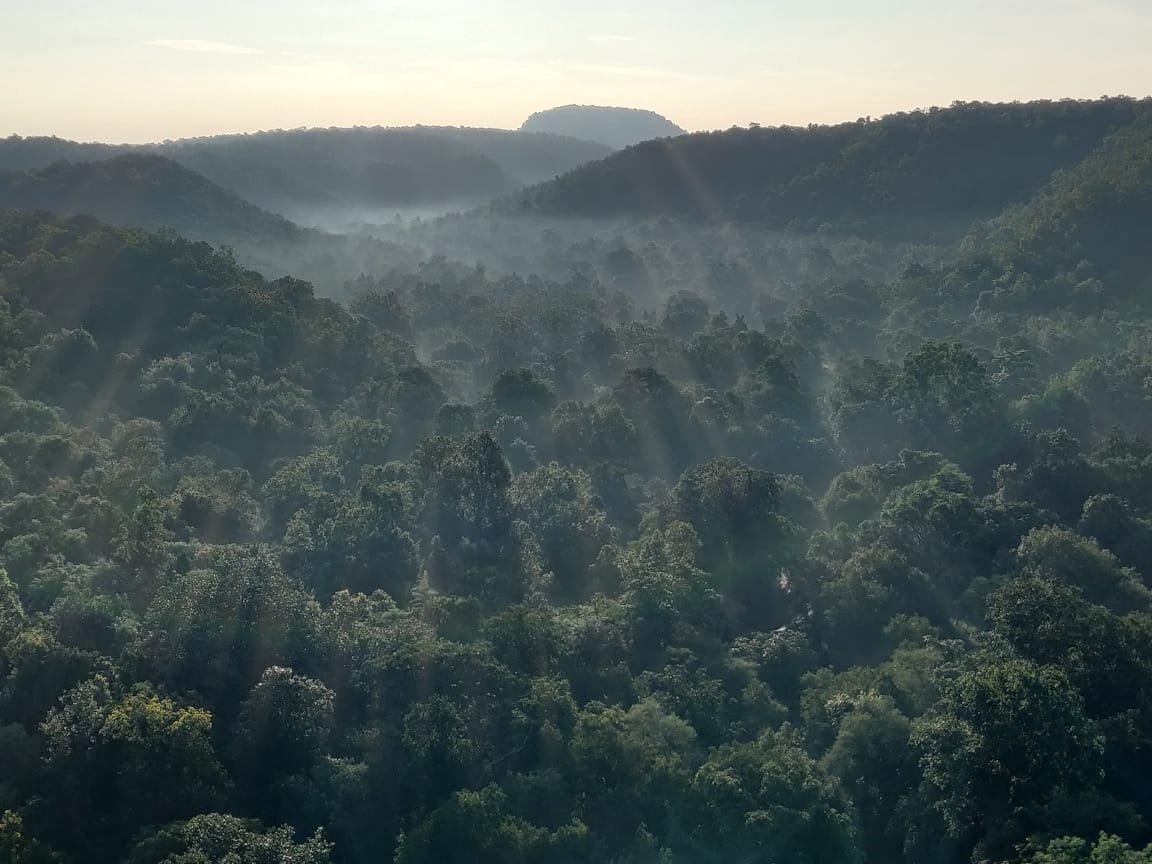
Nestled in the heart of Madhya Pradesh, Bandhavgarh National Park is one of India’s most celebrated wildlife destinations. Known for its remarkable tiger population, breathtaking landscapes, and rich historical heritage, the park attracts wildlife photographers, nature enthusiasts, and adventure seekers from around the world.
Whether you’re planning your first safari or returning for another thrilling expedition, this comprehensive guide covers everything you need to know about Bandhavgarh Tiger Reserve.

About Bandhavgarh National Park
Spread across the Vindhya Hills in the Umaria district of Madhya Pradesh, Bandhavgarh National Park is renowned for having one of the highest densities of Royal Bengal Tigers in India. Originally the hunting grounds of the Maharajas of Rewa, the area was declared a national park in 1968 and later became part of Project Tiger.
The reserve is a fascinating blend of dense sal forests, bamboo groves, open meadows, rocky hills, and ancient ruins, creating an ideal habitat for a diverse range of wildlife.

Why is Bandhavgarh Famous?
While tigers are undoubtedly the biggest attraction, Bandhavgarh offers much more:
- High probability of tiger sightings
- Ancient Bandhavgarh Fort dating back over 2,000 years
- More than 250 species of birds
- Diverse wildlife including leopards, sloth bears, gaur, and deer
- Scenic landscapes perfect for wildlife photography
- Rich mythological and historical significance
The park’s compact geography and abundant prey base make it one of the best places in India to experience tiger safaris.

Safari Zones in Bandhavgarh Tiger Reserve
Understanding the safari zones can help you plan a better wildlife experience.
1. Tala Zone
The most popular and iconic zone, Tala is famous for frequent tiger sightings, lush forests, and historic landmarks. It is often the first choice for photographers and first-time visitors.
2. Magadhi Zone
Known for open grasslands and water bodies, Magadhi offers excellent opportunities to spot tigers, leopards, and herbivores in a relatively less crowded environment.
3. Khitauli Zone
Ideal for birdwatchers and those seeking a quieter safari experience, Khitauli features dense forests and diverse wildlife.
4. Panpatha & Buffer Zones
The buffer areas provide unique wildlife experiences while contributing significantly to conservation and reducing pressure on core habitats.

Wildlife You Can Spot
Although famous for tigers, Bandhavgarh is home to an impressive variety of species.
Mammals
- Royal Bengal Tiger
- Leopard
- Sloth Bear
- Indian Gaur
- Sambar Deer
- Chital
- Barking Deer
- Nilgai
- Wild Boar
- Jackal
Birds
Bird lovers can enjoy sightings of:
- Crested Serpent Eagle
- Indian Pitta
- White-rumped Vulture
- Paradise Flycatcher
- Peafowl
- Hornbills
- Kingfishers
- Drongos
Reptiles
The reserve also hosts pythons, monitor lizards, cobras, and various turtle species.
Best Time to Visit Bandhavgarh National Park
October to February – Pleasant Weather
Winter offers comfortable temperatures and lush greenery, making it ideal for families and photographers.
March to June – Best Tiger Sightings
As water sources shrink, animals congregate around watering holes, significantly improving chances of spotting tigers.
Monsoon Season
Most core safari zones remain closed during the rainy season due to conservation and safety reasons, though certain buffer areas may operate depending on regulations.
Safari Timings
Typically, Bandhavgarh operates two safaris daily:
- Morning Safari: Sunrise to approximately 10:30 AM
- Evening Safari: Around 3:00 PM until sunset
Timings vary depending on the season.

How to Reach Bandhavgarh
By Air
The nearest airports include:
- Jabalpur (approximately 170 km)
- Khajuraho (approximately 250 km)
- Nagpur (approximately 500 km)
By Train
Nearest railway stations:
- Umaria (35 km)
- Katni
- Jabalpur
By Road
Bandhavgarh is well connected via road from major cities like Jabalpur, Khajuraho, Satna, and Nagpur.

Staying at Syna Tiger Resort – Bandhavgarh allows easy access to early morning safaris and minimizes travel time.
Tips for a Successful Safari
- Book safaris well in advance.
- Wear neutral-colored clothing.
- Carry binoculars and a camera with zoom lens.
- Stay silent during sightings.
- Follow guide instructions at all times.
- Avoid strong perfumes and bright colors.
- Carry water and sun protection.
Beyond Tigers: Explore Bandhavgarh Fort
Located within the reserve, the ancient Bandhavgarh Fort is steeped in mythology and history. It is believed that Lord Rama gifted the fort to his brother Lakshmana (“Bandhav”), giving the area its name. The fort offers panoramic views and fascinating archaeological remains.
Photography Tips
For wildlife photographers:
- Morning safaris provide softer lighting.
- Use telephoto lenses (300mm or above).
- Keep shutter speeds high for moving subjects.
- Focus on storytelling beyond tiger portraits by capturing landscapes, birds, and interactions.
Why Bandhavgarh Should Be on Your Travel List
Bandhavgarh combines thrilling wildlife encounters with rich history and stunning natural beauty. Its compact terrain, excellent safari infrastructure, and thriving tiger population make it one of the finest wildlife destinations in India.
Whether you’re chasing your first tiger sighting, exploring ancient ruins, or simply immersing yourself in nature, Bandhavgarh National Park promises an unforgettable journey.
A visit to Bandhavgarh National Park is more than just a safari—it’s an immersion into one of India’s richest ecosystems and a chance to witness wildlife in its purest form. From the roar of a tiger echoing through the sal forests to the serenity of mist-covered meadows at dawn, every moment here leaves a lasting impression.
If you’re planning a wildlife holiday, make Bandhavgarh Tiger Reserve a priority on your travel list for an experience that perfectly blends adventure, conservation, and natural beauty.